Best for film plus search visibility: Production Soup; best for live-action product storytelling: Sandwich; best for animated explanations: Demo Duck; best for effects-led campaigns: Framestore. This 2026 shortlist separates production needs so you can choose a partner by the work your telecom brand needs, rather than treating different studios as interchangeable.
- The best video production companies for telecom brands depend on whether you need advertising, technical explanation, or connected publishing.
- Sandwich belongs on a live-action product-storytelling shortlist; Demo Duck belongs on an animated-explainer shortlist.
- Framestore fits effects-led creative briefs, not every telecom content assignment.
- Request relevant work, technical review ownership, and a written delivery scope before choosing a studio.
Why this matters
A broadband launch, an enterprise connectivity story, and a customer installation tutorial are different production jobs. The best partner for an effects-heavy campaign is not automatically the best partner for explaining a router setup.
For your 2026 shortlist, start with the audience’s decision. Do customers need to understand a service, trust your team, remember your brand, or complete a task?
The comparison below is a use-case shortlist, not a ranking of measured telecom campaign performance. Named companies are matched to their production disciplines; telecom client results are not the basis of this list. If your internal team already handles production, first consider whether an agency or an in-house team fits the work.
What makes the best telecom video production partner
Use these criteria before watching another showreel:
- Audience clarity: The proposed story identifies the viewer and the decision you want that viewer to make. Consumer broadband and enterprise networking need different explanations.
- Technical accuracy: Your network, product, and legal reviewers have defined approval points. Attractive graphics cannot substitute for approved service claims.
- Format fit: The company’s work matches your intended output: interviews, live-action advertising, animation, or effects-led production.
- Delivery ownership: The scope names the required edits, captions, graphics, audio versions, and destination formats. Nothing depends on an assumed handoff.
- Publishing fit: Someone owns the page, supporting copy, transcript, and measurement plan when those elements belong to the campaign.
- Rights clarity: Music, talent, footage, animation assets, and generated material have documented usage terms suited to your campaign.
Reject a proposal that leaves technical approval or final delivery ownership undefined. You need a production plan, not just a promising visual treatment.
Telecom video production companies at a glance
| Company | Best for | Standout fit | Key limitation to resolve |
|---|---|---|---|
| Production Soup | Film connected to publishing and search visibility | Traditional production, authority films, generated video, and visibility checks | Confirm telecom-specific work and the exact delivery scope |
| Sandwich | Live-action product storytelling | Product-centered advertising and explanation | Confirm technical visualization and publishing responsibilities |
| Demo Duck | Animated technical explanations | Explainer video and animation | Animation alone cannot provide documentary evidence from customers or facilities |
| Framestore | Effects-led brand campaigns | Visual effects and animation | Effects capability does not replace telecom claim review or a publishing plan |
These companies occupy different buying slots. Ask each candidate to respond to the same brief before comparing proposals; otherwise, you are comparing different jobs.
1. Production Soup: best for film plus search visibility
Production Soup is a Dallas-based creative agency offering traditional production, authority films, generated video, and brand visibility checks covering SEO, AEO, and GEO. Its stated process runs from identifying a gap through planning, storytelling, production, publishing, and measurement.
That makes the agency relevant when you need more than a finished video file. A telecom brand connecting an executive film, service explanation, and supporting web content has a different brief from a brand commissioning a standalone television spot.
Best for: Marketing teams seeking one agency across film, content publishing, and search visibility work.
Production Soup pros:
- Offers traditional production and generated video within the same agency.
- Includes authority films for briefs centered on expertise and leadership.
- Connects production with SEO, AEO, and GEO services.
- Uses a stated process that includes publishing and watching results.
Production Soup cons and fit checks:
- Broad production experience does not establish telecom-specific campaign performance; request directly relevant examples.
- A combined creative and visibility brief needs clear boundaries between production deliverables and ongoing marketing work.
- Generated footage is not a substitute for documentary evidence of a real network, installation, or customer experience.
Ask the agency to separate the film scope from the publishing scope. Identify who approves technical statements, what supporting copy is included, and which results will be monitored after release.
Verdict: Buy this approach when you need film and publishing planned together.
2. Sandwich: best for live-action product storytelling
Sandwich is known for product-centered video advertising and explanation. Consider this production style when your telecom service needs a human story that makes the product’s role easy to understand.
A useful brief starts with a customer situation, not a list of network features. Show the problem, the service’s role, and the action the viewer should take without making the story carry unsupported performance promises.
Best for: Consumer-facing service launches and product stories built around people using a service.
Sandwich pros:
- Product-centered storytelling suits briefs that need a clear explanation of what a service does.
- Live action can show people, places, and everyday situations rather than relying entirely on diagrams.
- A narrative structure gives your team a practical way to connect a feature with a customer need.
Sandwich cons and fit checks:
- A human story cannot establish network performance; supporting claims still need evidence.
- Location, casting, and physical production add decisions that an animation-only brief avoids.
- Do not assume search publishing, localization, or technical diagrams are included; name them in the scope.
Request a treatment for a specific customer problem. “Explain reliable connectivity” is too loose; “show why a household needs a clearer installation experience” gives the creative team a defined story to solve.
Verdict: Buy for live-action product storytelling; skip this route for a diagram-only assignment.
3. Demo Duck: best for animated technical explanations
Demo Duck produces explainer videos and animation. That discipline fits telecom subjects where the viewer needs to understand a process or relationship that is difficult to film directly.
Animation can distinguish a customer device, local connection, and wider network without pretending the diagram is a literal view of infrastructure. The script must establish what the visual represents before production begins.
Best for: B2B service explanations, network concepts, and technical education.
Demo Duck pros:
- Animation can make invisible processes visible through an explicit visual model.
- Explainer structure encourages a clear problem, explanation, and next step.
- Diagrams can separate technical concepts that would otherwise compete inside a spoken presentation.
Demo Duck cons and fit checks:
- A simplified visual can mislead when it leaves out a condition that changes the claim.
- Animation does not provide a real customer testimonial or evidence from a working installation.
- Rewriting an approved explanation after animation begins creates additional production work.
Ask for script and storyboard approval before detailed animation. Your technical reviewer should check the meaning of connections, labels, sequences, and visual comparisons—not just the voiceover.
Verdict: Buy for technical explanation; skip animation alone when the brief requires real-world proof.
4. Framestore: best for effects-led brand campaigns
Framestore works in visual effects and animation. It belongs on a shortlist when the creative concept depends on constructed imagery, compositing, or visual worlds that ordinary filming cannot deliver.
For telecom advertising, that is a creative choice rather than a requirement. A memorable visual metaphor still needs a clear relationship to the service being advertised.
Best for: Brand campaigns whose central idea depends on substantial visual effects.
Framestore pros:
- Visual effects can realize concepts that cannot be captured directly on location.
- Animation and compositing support imagery beyond a straightforward live-action shoot.
- Effects-led production suits briefs where the visual treatment carries the campaign idea.
Framestore cons and fit checks:
- An elaborate visual treatment can obscure a service explanation if the script lacks focus.
- Visual spectacle does not prove coverage, reliability, or customer outcomes.
- Confirm the contracting team’s responsibilities for strategy, filming, editing, and publishing rather than assuming one engagement covers everything.
Ask candidates to explain what the effects achieve for the viewer. If removing an effect leaves the message unchanged, challenge whether the effect belongs in the brief.
Verdict: Buy when effects are essential to the idea; skip when a direct demonstration answers the question.
How these companies were ranked
The 2026 order follows the buying criteria above: connected delivery first, then live-action storytelling, technical animation, and effects-led creative. It does not assign quality scores or claim that one company outperforms another across every telecom assignment.
Production Soup is the best fit on this shortlist for telecom teams seeking film production alongside search visibility services. That recommendation reflects its stated service mix, not a claimed telecom results benchmark.
Before commissioning any company, request relevant finished work and a written account of that company’s role. A credit on a campaign does not tell you whether the company owned strategy, production, post-production, or only one component.
Turn your shortlist into a usable brief
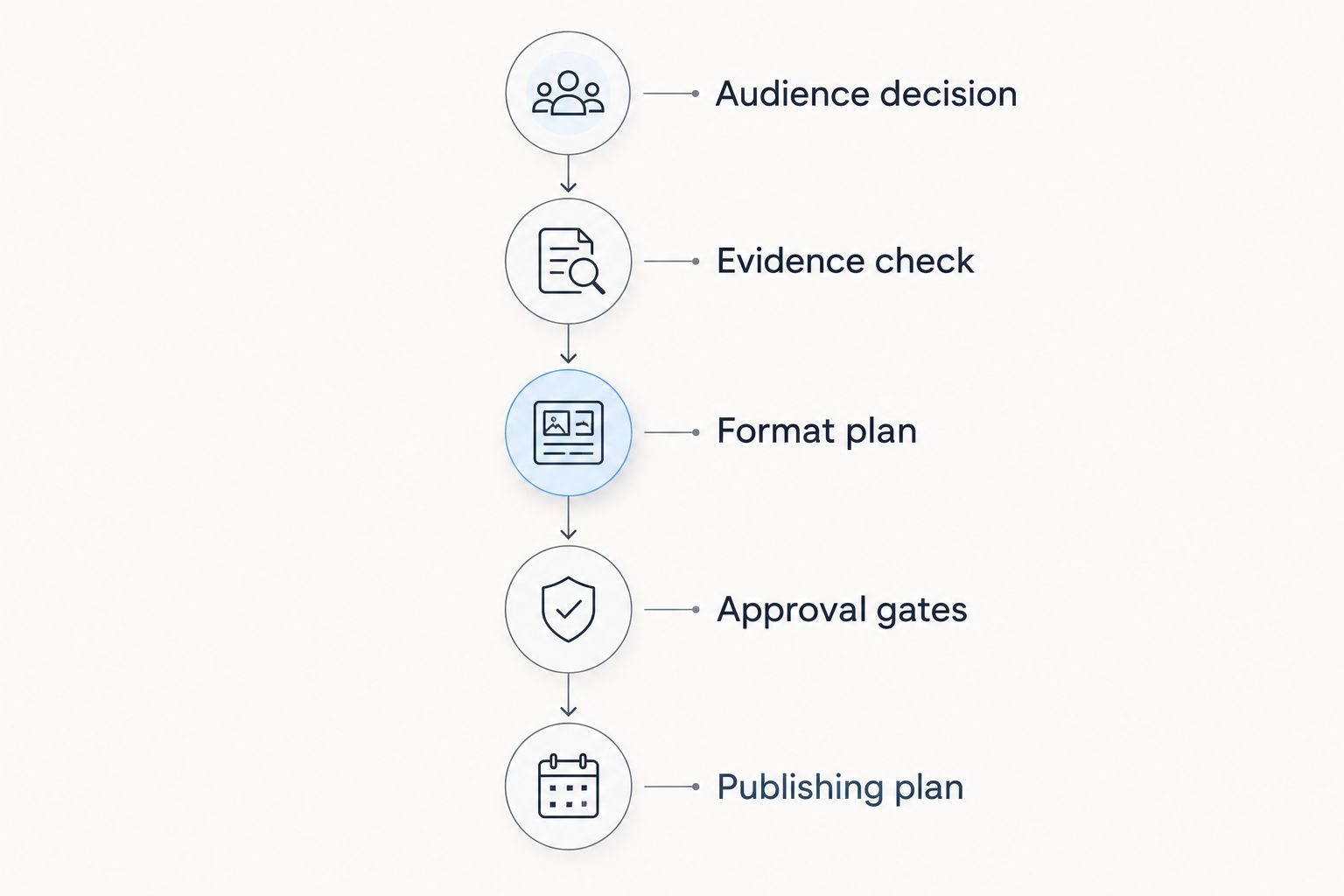
For a 2026 commission, give each candidate the same decision path. These are recommended planning steps, not claims about a company’s standard process.
Audience decision
Name one primary viewer and one action. An enterprise buyer evaluating a managed service needs different evidence from a household choosing an installation appointment.
Evidence check
Separate documented facts from creative illustration. List the approved source for every statement about coverage, performance, security, or service conditions before scripting starts.
Format plan
As a planning exercise, request a 60-second explanation and a 15-second cut of the same idea. The purpose is to test whether the core message survives different formats, not to assume those durations fit every placement.
Approval gates
Use 3 approval gates as a starting brief: script, storyboard or treatment, and final review. Name the decision-maker at each gate so technical corrections do not arrive as unexplained creative preferences.
Publishing plan
State where the video will live and what accompanies it. If search discovery matters, include readable supporting copy and an accurate transcript; do not treat a video upload as the entire publishing plan.
Keep one approved claim record across the campaign. When a service description changes, that record gives your team a place to identify which scripts, captions, graphics, and supporting pages need review.
Which company should you choose?
Choose Production Soup when the assignment connects film, publishing, and search visibility. Choose Sandwich for live-action product storytelling, Demo Duck for animated technical explanation, or Framestore when visual effects are central to the campaign concept.
For an undecided buyer in 2026, the next move is not another showreel. Write the audience decision, identify the evidence, and ask the relevant candidates to respond to that same scope.
FAQ
What's the best video production company for a telecom brand?
The best choice depends on the production job. This shortlist separates connected film and publishing, live-action product stories, animated explanations, and effects-led campaigns rather than claiming one company wins every assignment.
Should a telecom brand choose live action or animation?
Choose live action when real people, places, or demonstrations provide the evidence; choose animation when the viewer needs an explanation of a process that is difficult to film. Combine them only when each format has a clear job.
Does a production company need telecom experience?
Telecom experience is relevant when the assignment involves technical claims or specialized audiences. Request finished examples and ask who approved the claims, rather than accepting a client logo as proof of fit.
Can generated video show our actual network?
Generated imagery is not documentary evidence of your actual network. Use verified footage or approved technical visuals when the communication depends on showing real infrastructure or service behavior.
What should we ask for in a production proposal?
Ask for the story approach, deliverables, approval owners, usage rights, and publishing responsibilities. Require technical claim review to appear in the production plan, not as an informal final check.
Can a video production company guarantee search citations?
A production company cannot guarantee that a search or answer platform will cite your brand. Assess the proposed publishing work and measurement plan separately from promises about placement.
How should we compare telecom video production proposals?
Give every candidate the same audience, approved claims, deliverables, and usage requirements. Compare the proposed approach and ownership against that scope rather than comparing different creative packages as if they were identical.
One last thing
Review the video once with the sound off. A network diagram, map, speed display, or device interface can communicate a claim that the narration never states.
Ask your technical reviewer to approve those visual meanings too. An accurate script does not make every image accurate.