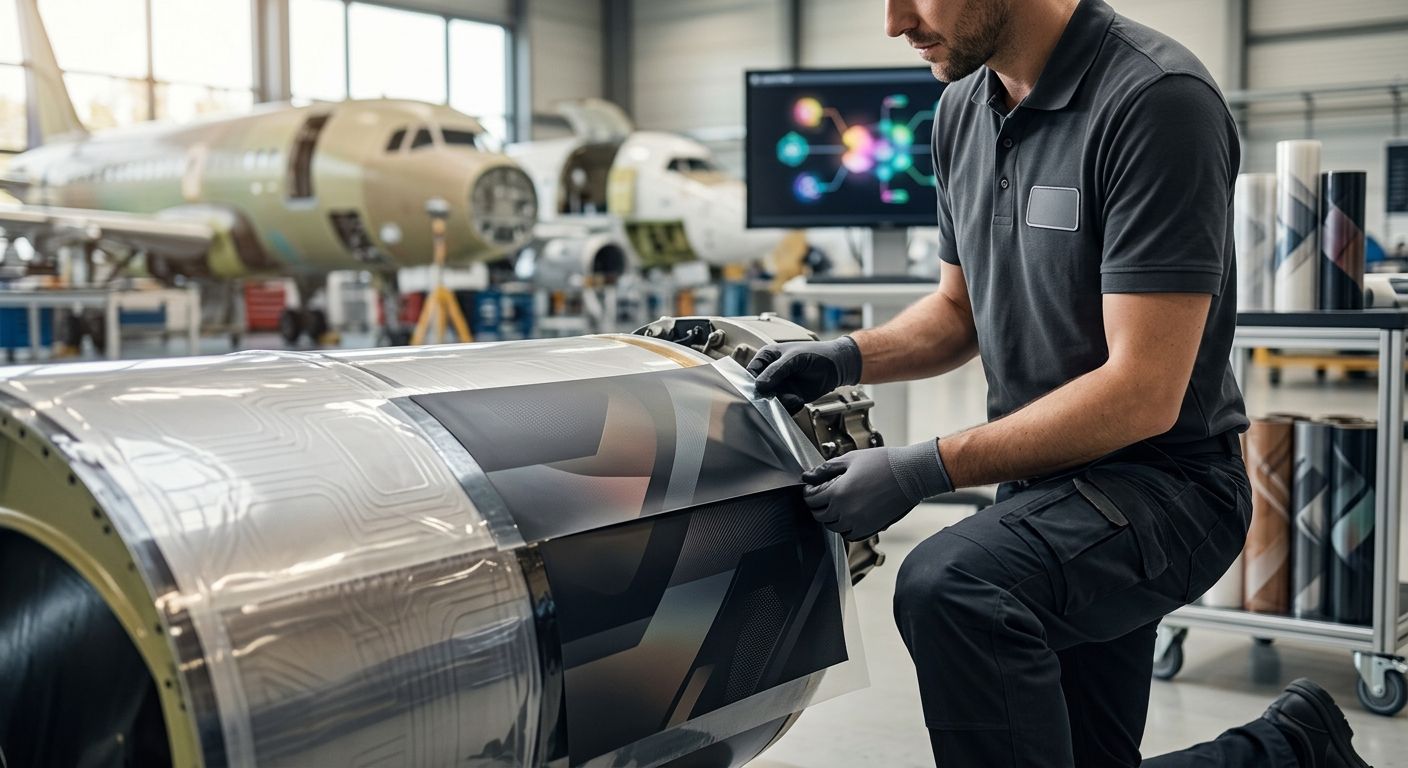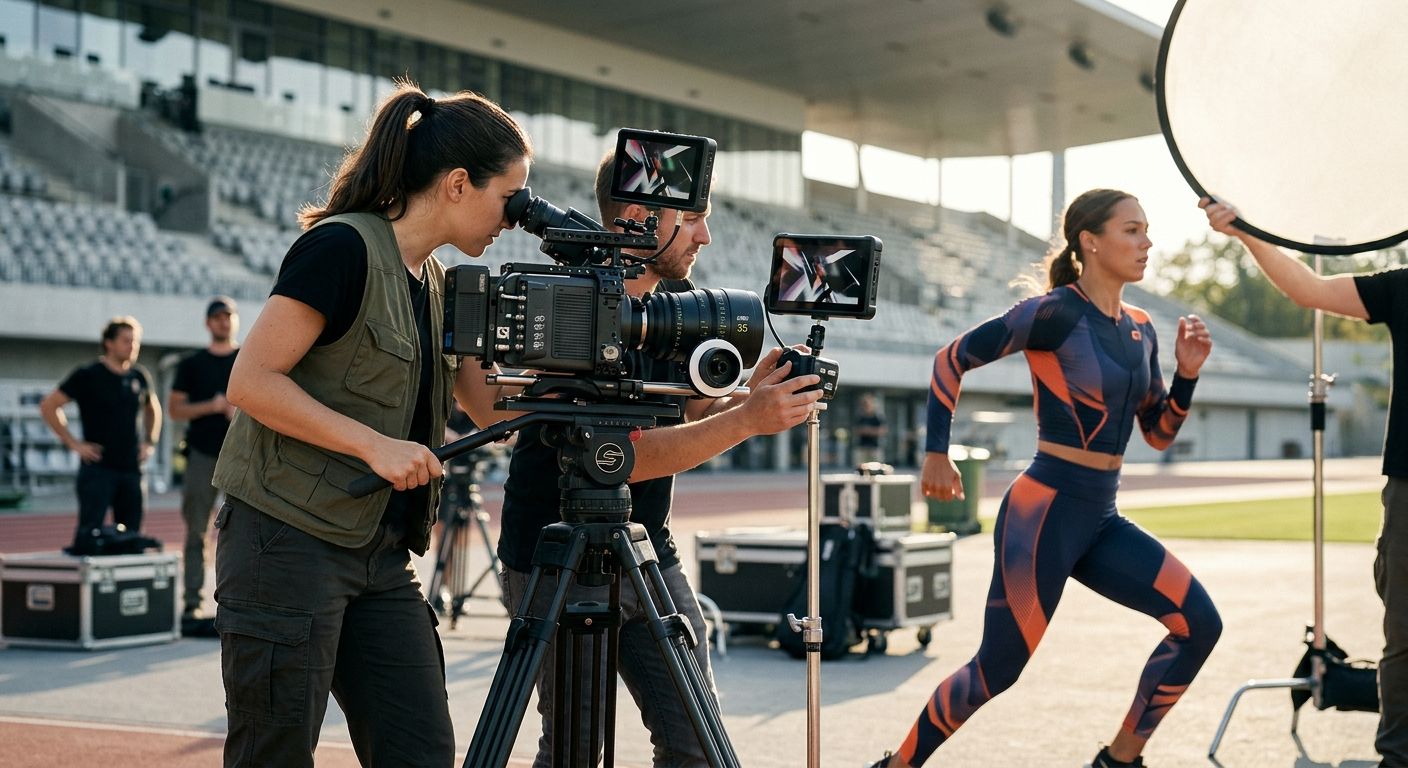
Video production agency for sports brands means picking a studio that can turn game footage, athlete access, and sponsor deals into content that runs on broadcast, social, and search at the same time. This guide covers what sports teams and brands actually need from a production partner in 2026, the steps to build a season-long content pipeline, and where a hybrid studio like Production Soup fits next to in-house teams, freelancers, and traditional agencies.
- A video production agency for sports brands needs game-day speed, athlete-story range, and social-first cropping - not just a broadcast reel.
- Season-long content calendars beat one-off highlight packages for sponsor retention and fan engagement in 2026.
- AI-assisted studios like Production Soup cut turnaround on game-week edits without dropping producer review.
- GEO and AI-visibility checks matter now because fans and sponsors ask AI assistants about a team before they check its website.
- Match the production option to the season schedule: in-house, freelance, traditional agency, or hybrid AI studio each solve a different problem.
Why this matters
A sports season doesn't wait for a production schedule. Game footage, sponsor deliverables, and athlete access all land in the same tight window, and a studio built for slow corporate turnaround will miss it. The format that carries an athlete's origin story, similar to what authority film production companies build for executives, is different from the format that carries a 45-second highlight cut for Instagram Reels - and most sports brands need both, on the same roster of talent, inside the same month.
Sponsors buy impressions across platforms, not just broadcast minutes. Fans check a team's TikTok and YouTube Shorts before they check the league site. That's the gap a video production agency for sports brands has to close.
What sports brands need from a video production agency
Sports brands need a video production agency that treats every game, practice, and press day as raw material for content across broadcast, social, and search - not one that ships a single highlight reel and calls it done. The difference from a standard corporate video shop comes down to three things: turnaround speed tied to a fixed game calendar, athlete story range beyond the scoreboard, and native cuts for a 16:9 broadcast frame and a 9:16 vertical crop from the same footage.
A production partner that only shoots broadcast-format spots will hand back footage that looks cropped and dead-center on social. A partner that only shoots for social will produce clips too thin for a sponsor's broadcast package. The agency has to do both from one shoot day.
Why video production matters for sports brands
Sponsors sign contracts against deliverable counts and platform reach, not vibes. A team that can't produce consistent weekly content loses leverage in the next renewal conversation. Fans, on the other hand, decide whether to follow a team's channels based on whether the content between games is worth watching - not just the wins.
That's the split every sports brand video strategy has to solve: game-day coverage for the scoreboard, and story content for the season.
How to build a video pipeline for a sports brand
Step 1: Audit what you already have
Before booking a single production day, inventory the assets sitting in your archive.
- Existing game footage and B-roll by season
- Athlete headshots, bios, and release forms on file
- Sponsor logo specs and contract deliverable counts
- Past highlight reels and their platform performance
- Broadcast and league rights restrictions on footage use
- Practice and locker room access agreements
Step 2: Plan a season-long content calendar, not game-by-game
Build the calendar around the full season, not the next Sunday. This is the planning stage where a studio maps every gap before a camera rolls - the same logic behind Production Soup's own approach of seeing the gap first, then planning the work.
- Preseason athlete and coach story content
- In-season weekly highlight cadence tied to game schedule
- Bye-week and off-season feature content
- Playoff and rivalry-week content spikes
- Sponsor deliverable deadlines mapped to specific weeks
- Draft-day or trade-window contingency content
Step 3: Script athlete and team stories before you shoot
A highlight reel doesn't need a script. An athlete origin story does.
- Player origin story arc and key beats
- Locker room and practice access logistics
- Sponsor integration points written into the story, not bolted on after
- Usage and likeness release terms per platform
- Interview question bank built ahead of shoot day
Step 4: Shoot for every crop, not just broadcast
One shoot day should produce broadcast, social, and sponsor-ready footage without a second production trip.
- Capture wide in 16:9 for broadcast, then re-frame for 9:16 vertical
- Run two camera setups: wide game coverage and tight athlete detail
- Brief camera operators on 1:1 square framing for sponsor carousel posts
- Shoot extra B-roll specifically for social-only cuts
- Keep a shot list separate from the broadcast run sheet
Step 5: Use AI-assisted tools to cut turnaround without cutting quality
Once the calendar and scripts are set, AI-assisted editing tools compress the time between a Sunday game and a Monday-morning post. This is where a studio like Production Soup moves faster than a traditional shop, running AI-assisted rough cuts through producer review gates before anything ships.
- AI-assisted rough cuts on raw game footage
- Automated highlight detection flagged for human review, not auto-published
- AI-generated captions and subtitles as the default, not an afterthought
- Producer sign-off gate before any AI-assisted cut goes live
- Version comparison between AI-assisted and manual cuts on the same clip
Step 6: Localize and dub for global fan bases
A growing fan base outside the home market needs more than English captions.
- Dub game recaps into the top two or three fan-base languages
- Subtitle every social clip by default, not case-by-case
- Adjust athlete interview captions for accessibility compliance
- Clear music and audio licensing per region before publishing
Step 7: Publish across owned and social channels on a repeatable workflow
Publishing shouldn't be a scramble every Monday. Build a template.
- Broadcast or OTT master file
- YouTube long-form recap
- Instagram Reels and TikTok vertical cuts
- Sponsor-tagged carousel post with logo placement locked
- Email or app push recap for season-ticket holders
Step 8: Track which clips move the sponsor and fan numbers
What gets measured decides next season's content mix. Beyond views, sports brands now need to check whether AI assistants surface the team's own content when fans ask about it - the same AI-visibility monitoring enterprise brands run for their own name and product mentions.
- View completion rate by platform
- Sponsor impression counts against contract minimums
- Share and save rate on athlete story cuts versus highlight cuts
- Whether the team or a named athlete shows up correctly when fans ask ChatGPT, Perplexity, or Gemini about the season
- Repeat viewership season-over-season on the same content types
Comparison: production options for sports brands
| Option | Best for | Key limitation |
|---|---|---|
| In-house team | Daily game-day access and low-stakes recaps | Stretched thin during playoffs, limited AI-editing bandwidth |
| Freelance videographer | One-off event or single highlight package | No season-long consistency, caps out during rivalry weeks |
| Traditional production agency | High-budget broadcast spots and commercials | Slower turnaround, less built for social-first vertical cuts |
| Hybrid AI-assisted studio (Production Soup) | Broadcast-quality athlete stories plus fast social output | Still needs producer review gates, not a fit for daily in-house coverage |
A hybrid AI-assisted studio like Production Soup fits sports brands that need broadcast-quality athlete stories and fast social cuts in the same season, not just one or the other. For a full breakdown of how that pricing structure typically works, see the guide on how much AI video production costs in 2026.
See the gap in your season content
Start with the six-step system built for game-week turnaround.
Common mistakes sports brands make with video production
- Treating the highlight reel as the whole strategy. Skipping athlete story content between games leaves fans nothing to watch on a bye week.
- Shooting only in broadcast 16:9. Badly cropped vertical cuts lose faces and sponsor logos on the platforms fans actually use.
- Skipping AI-visibility checks. A fan asking an AI assistant about the season should get the team's own footage and story back, not a stale third-party clip.
- No rights and clearance workflow. Scrambling for athlete likeness approval right before a sponsor post is a self-inflicted deadline problem.
- Building the pipeline only during playoffs. A content system that only turns on for rivalry week burns out the crew and starves the rest of the season.
FAQ
What does a video production agency for sports brands actually deliver?
A sports-focused video production agency delivers broadcast cuts, social-first vertical clips, sponsor-tagged content, and athlete story pieces from the same shoot days across a season, not just a single highlight reel.
How is sports video production different from corporate video production?
Sports video production runs on a fixed game calendar with same-week turnaround needs, while corporate video production usually has flexible scheduling and fewer platform-crop requirements.
Can AI tools speed up sports highlight editing without losing quality?
AI-assisted rough cuts and highlight detection speed up editing, but every cut still needs a producer review gate before it publishes to keep quality consistent.
Do sports brands need dubbing or localization for game content?
Sports brands with fan bases outside their home market need dubbing and default subtitles on social clips to keep engagement consistent across regions.
What's the difference between a highlight reel and an authority film for an athlete?
A highlight reel shows game performance in short cuts, while an authority film builds a longer, scripted story around an athlete's background, character, and career arc.
How often should a sports brand publish new video content?
A season-long calendar with weekly highlight cadence plus preseason, bye-week, and playoff content spikes keeps output consistent instead of reactive.
Is a Dallas-based production studio a fit for sports brands outside Texas?
A Dallas-based studio can serve sports brands in any market when the production workflow, including AI-assisted editing and remote review gates, doesn't require the crew to be local.
How much does sports brand video production cost in 2026?
Costs vary by shoot volume, season length, and how much AI-assisted editing offsets manual hours; a full cost breakdown for 2026 covers the variables in detail.
One last thing
Shoot practice-day B-roll on a day when nothing newsworthy is happening. It's the footage nobody plans for that saves a rushed sponsor deadline three weeks later when the game footage alone doesn't cover the deliverable.